

When granting an approval, the NVWA (Netherlands Food and Consumer Product Safety Authority) checks, among other things, whether airflows from contaminated to clean rooms are avoided and whether filters and parts that you clean or replace regularly are easy to reach. Your quality manager wants to record that in the food safety plan. Your facilities team wants to know which machine suits which duct. This page covers both sides.
Lamers Reinigingstechniek from Zelhem supplies the equipment, including machines from the Danish manufacturer Danduct Clean. You either clean with your own maintenance team or have a specialist contractor do the work. Below you can read what to look out for.

Food safety duct cleaning: why airflow matters
In a food business, the direction of the air is just as important as the cleanliness of the duct itself. The NVWA verification list for a new approval explicitly states that airflows from contaminated to clean rooms must be avoided. A dirty supply duct can undermine that principle: if resistance increases, the pressure difference between zones changes and air from the packing room can suddenly flow the wrong way.
The NVWA also requires ceilings and fittings to be designed so that dirt, condensation, mould and shedding particles are kept to a minimum. In practice, ducts that hang above production lines fall under this requirement. Dust on the outside, condensation on cold pipes and insulation coming loose are classic audit findings.
Three questions for your next internal audit
- Do you know, for each zone, which way the air flows and when that was last measured?
- Can filters and cleanable parts be reached without working on ladders above open product?
- Does your schedule show when the ducts themselves were last inspected, separately from the filter change?
If you cannot answer one of these questions with confidence, that is the place to start. Write the answer down, add a date and a name, and you already have the first building block of a documented ventilation programme that an auditor can follow.
Which air ducts in food processing plants get dirty fastest?
Not every duct in a food plant carries the same risk. A supply duct to an office needs something different from an extract duct above a cooking kettle or a duct that brings cold air to a cutting room. Put them side by side in an overview and you see where most of the attention should go.
| Duct type | Typical contamination | Risk to product | Point of attention |
|---|---|---|---|
| Supply to high hygiene zone | Fine dust past the filter | High | Assess filter class and duct cleanliness together |
| Extract above cooking or baking processes | Grease, deposits, moisture | Medium to high | Wet cleaning often needed |
| Cold supply in chilled rooms | Condensation, mould | High | Check insulation and fall |
| Extraction at powders and spices | Dry dust, caking | Medium | Include dust explosion and ATEX |
| Office and canteen | Household dust | Low | Follows the normal building schedule |
Powders and flour come with extra rules on dust and explosion risk. We cover those in detail on the page about air duct cleaning in bakeries.
A practical tip: mark each duct group on your floor plan with the risk level from the table. That one drawing helps the quality team, the maintenance team and any external contractor talk about the same ducts in the same terms.
How does duct cleaning fit into your HACCP plan and BRCGS audit?
HACCP is about controlling hazards at critical points. Air is rarely a critical control point, but it is a prerequisite you must be able to demonstrate. That is why duct cleaning belongs in your prerequisite programme, with a fixed frequency, a responsible person and a recorded result.
BRCGS has a separate guide on air quality in food production. It helps you determine the outdoor air quality, the category of the supply air and the matching filtration, using Eurovent 4/23 as a tool. That classification tells you which zones get the strictest requirements, and therefore where you inspect your ducts most often.
What an auditor wants to see
- A zone map with air direction and pressure differences.
- An inspection and cleaning schedule per duct group.
- Reports with photos from before and after cleaning.
- A deviation procedure: what do you do when you find condensation or visible mould?
- Who is responsible: your own maintenance team or an external contractor.
For the normative background, such as the new EN 15780:2025, see the page on NVRL quality mark. Note: according to the description of the standard, EN 15780:2025 applies to ventilation systems in buildings, but not to industrial process installations. You therefore assess process extraction on the basis of your own risk analysis.
Condensation and mould in ducts: the underestimated source
In chilled production, condensation is the biggest enemy of a clean duct. Where warm, humid air touches a cold duct wall, moisture settles. Dust that was already there becomes a breeding ground. Whatever grows there can travel with the airflow into the room. Above open product, that is exactly what you want to prevent.
A fictional example: a meat processor notices black spots around a grille above the cutting line. The grille is cleaned, but two weeks later the spots are back. The cause lies further inside the duct: a poorly insulated section where condensation forms every night. Cleaning only the grille solves nothing. You want to see the inside of the duct, fix the source and only then clean.
Signs that point to condensation
- Drops or lime rings around grilles and diffusers.
- Discoloured ceiling tiles below a duct.
- Insulation that feels soft or loose.
- A musty smell when the system starts up.
A camera inspection shows how far the problem extends. With an compressed air duct cleaning for cleaning contractors you inspect and clean at the same time, even in ducts from 30 mm and through tight 90 degree bends.
Which equipment suits food production ductwork cleaning?
The choice depends on the duct size, the type of contamination and how sensitive the room is where you work. The food industry adds one extra requirement: no dirt may end up in the production room during cleaning.
| Situation | DC4 brushing machine | Intelligent Airnozzle | Sealing and negative pressure |
|---|---|---|---|
| Round or rectangular duct 100 to 600 mm | ✓ | ✓ | ✓ always |
| Long runs up to 30 metres | ✓ | Up to 20 m hose | ✓ |
| Small ducts from 30 mm | ✗ | ✓ | ✓ |
| Direct view of the inside | ✗ separate camera needed | ✓ built-in camera | Not applicable |
| Stubborn deposits | ✓ with Tynex brush | Limited | ✓ |
DC4 duct cleaner for cleaning contractors keeps the brush centred in the duct with a steel shaft and automatically switches its direction of rotation. That gives an even result over long runs. Want to see all options side by side? Have a look at the overview of air duct cleaning tools for cleaning contractors.
For steel ducts, the US EPA recommends soft brushes, so you do not damage the wall. Damaged walls actually hold on to dirt better. In doubt about the brush choice? Ask Lamers for advice on the right machine.
Step by step cleaning without cross contamination
The biggest risk during the work itself is that loosened dirt ends up in the room. The principle is therefore simple: the section you clean is kept under negative pressure at all times and is sealed at both ends. If the extraction unit exhausts inside the building, US guidelines require a HEPA filter of 99.97 percent at 0.3 µm.
- Schedule the work outside production hours and after the daily cleaning.
- Cover lines and open equipment and record this in your work permit.
- Seal the duct section with balloons and close off grilles with foam caps.
- Put the run under negative pressure with HEPA extraction.
- Clean from clean to dirty, so against the direction of contamination.
- Inspect with a camera and record the result with photos.
- Have quality release the room before production starts.
You will find the materials for steps 3 and 4 under duct sealing balloon for cleaning contractors. A more extensive general step by step plan is available in duct cleaning method.
Pay attention to inspection openings. The Eurovent recommendation mentions openings at a maximum of 10 metres apart or after at most two bends of 45 degrees or more. Without them you cannot inspect properly and cannot clean properly. Small resealable access doors often solve this.
How often should you plan air duct cleaning in the food industry?
There is no fixed legal frequency for ducts in food businesses. EN 15780:2025 works with cleanliness classes and inspection intervals per class in an informative annex. VDI 6022 mentions a hygiene inspection every 2 years for systems with humidification and every 3 years without. A trade article recommends a risk assessment every 2 years and annually in high risk buildings.
Translate that to your own zones. A practical setup:
- High hygiene zones: inspection at least annually, cleaning based on the findings.
- Zones with grease or moisture: inspect more often, especially after changes in the process.
- Office and canteen: the normal building schedule.
Want to know how other buildings approach this? See the general guide on ductwork cleaning schedule. If you work with large extraction systems and process ventilation, the page on industrial ductwork cleaning is a better fit.
Whatever interval you choose, write down why. An auditor accepts a reasoned choice based on your own zones and findings far more easily than a number without explanation.
Air duct cleaning equipment from Lamers at a glance
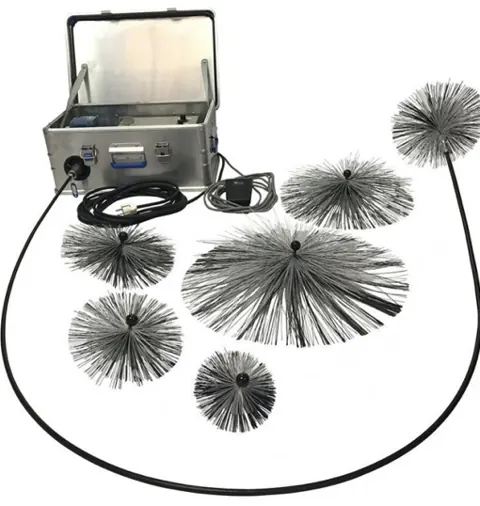 DC4 duct cleaning machineDC4: electric, up to 30 m, ducts from 100 to 600 mm
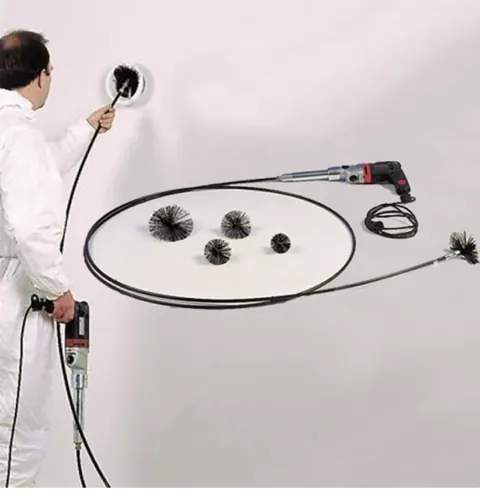 PD4 duct cleanerPD4: runs on a power drill, shaft 2.5 to 7.5 m
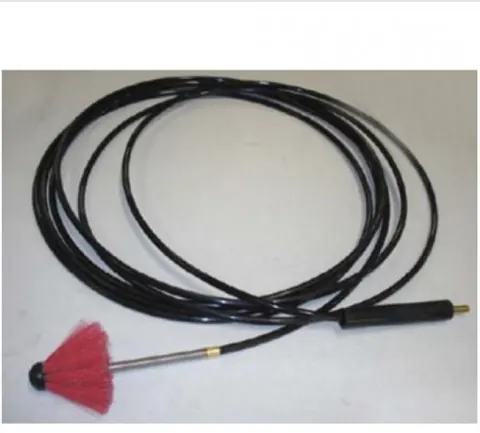 PD2 duct cleanerPD2: compact duct cleaner, specifications via Lamers
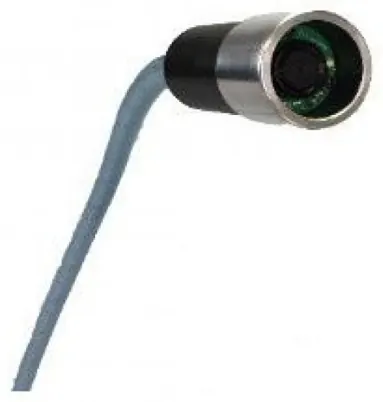 Intelligent AirnozzleCompressed air with camera, ducts from 30 mm
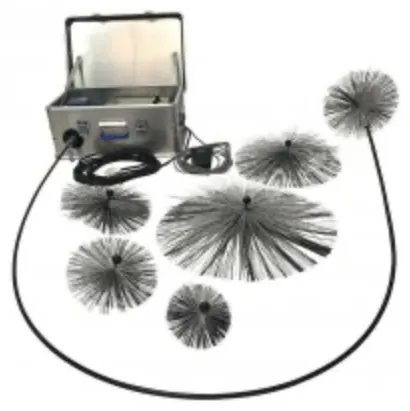 Duct cleaning brushesBrushes and shafts: soft, standard or Tynex
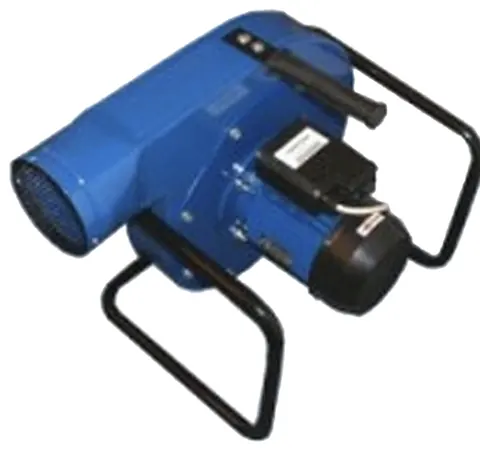 Duct sealing and extractionDuct balloons, diffuser caps and extraction
Frequently asked questions: food industry duct cleaning
Is air duct cleaning mandatory in the food industry in the Netherlands?
There is no legal cleaning frequency for ducts in food businesses. The NVWA does expect airflows from contaminated to clean rooms to be avoided and dirt, condensation and mould to be kept to a minimum. In practice this means you inspect your ducts, clean where needed and record it in a way you can demonstrate.
What does the NVWA check on ventilation in a food processing plant?
The verification list for a new approval states, among other things, that airflows from dirty to clean are avoided, that filters and parts that are cleaned or replaced regularly are easily accessible, and that ceilings and fittings keep dirt, condensation, mould and shedding particles to a minimum.
Does duct cleaning belong in the HACCP plan of a food business?
It usually belongs in your prerequisite programme, not as a critical control point. Record which ducts you inspect, how often, who is responsible and how you document the result with photos and a report. That way you can show during an audit that air quality is under control.
Which BRCGS guide covers air in food production?
BRCGS publishes the guide Understanding Air Quality in Food Production. It helps you determine outdoor air quality, the category of the supply air and the right filtration, using Eurovent 4/23 as a tool. That classification shows which zones get the strictest requirements for duct inspection.
Does EN 15780 also apply to process extraction in a food factory?
According to the description of the standard, EN 15780:2025 applies to ventilation systems in buildings, but not to industrial process installations or medical and laboratory facilities. The standard is useful for the general ventilation of your building. Process extraction is assessed on the basis of your own risk analysis and the requirements of your customer or certifier.
How do you prevent condensation in the ducts of a chilled food production room?
Condensation forms where warm, humid air touches a cold duct wall. Check the insulation, the fall and the connections. Let a camera inspection show how far moisture or mould extends inside the duct, fix the cause first and clean afterwards. Otherwise the problem returns within a few weeks.
How do you clean ducts in the food sector without cross contamination?
Schedule the work outside production hours, cover the lines and seal the duct section at both ends with balloons and foam caps. Put the run under negative pressure with HEPA extraction. Clean from clean to dirty, inspect with a camera and let quality release the room before production starts again.
Which machine do you choose for air ducts in a food processing plant?
For round and rectangular ducts from 100 to 600 mm and runs up to 30 metres, the DC4 brushing machine is a logical choice. For small ducts from 30 mm, or if you want a direct view, the Intelligent Airnozzle with camera fits. Always combine either one with sealing and negative pressure.
Can you use disinfectant in air ducts in food production?
Disinfection only works once the dirt has been removed mechanically. According to the US EPA, no biocides are registered for use on fibreglass duct board, and the EPA does not recommend coatings as a routine measure. Always agree on products with your quality department, because residues must not come into contact with product.
How often should you inspect air ducts in high hygiene zones of the food industry?
There is no fixed legal frequency. VDI 6022 mentions a hygiene inspection every 2 years with humidification and every 3 years without. A trade article recommends annual inspection in high risk buildings. For zones with open product, inspecting at least once a year is a defensible choice in your own plan.
Sources and reference date
All facts on this page were checked on 6 October 2026.
- NVWA, verification list for a new approval application (in Dutch)
- BRCGS, Understanding Air Quality in Food Production
- DIN Media, DIN EN 15780 scope
- Eurovent REC 6/7, cleanliness of ductwork
- TÜV SÜD, VDI 6022 hygiene inspections (in German)
- University of Maryland, duct cleaning specification (negative pressure, HEPA)
- EPA, Should you have the air ducts in your home cleaned?
- Lamers, Intelligent Airnozzle (in Dutch)
Editorial team: Lamers Reinigingstechniek B.V., supplier of professional air duct cleaning equipment in Zelhem, the Netherlands. Updated on . See also Lamers Zelhem for cleaning contractors.
Request a quote or advice from Lamers

René Hendriksen, Sales Account Manager at Lamers, advises you on the machine, brushes and extraction for your jobs.
Briefly tell us what you clean (duct type, diameter, length, contamination and sector). Lamers will contact you with advice and a tailored quote.
Prefer direct contact? Call +31 (0)314 623 341, message us on WhatsApp 06-38048347 or email info@lamersequipment.nl.
Prefer a quick call first? Lamers will call you back

Leave your number. René Hendriksen or a colleague from Lamers will call you back to discuss duct type, diameter and the right equipment.
Or send us a message right away: WhatsApp 06-38048347