

That advice concerns homes, but the principle also applies to non residential buildings: offices, hotels and schools with mechanical extraction have the same components, only larger and with more users. For an employer in the Netherlands, the Working Conditions Decree (Arbobesluit) adds to this, requiring sufficient unpolluted air and an installation that is always ready for operation.
On this page you will read what needs to happen per component, what cleaning mechanical ventilation costs according to price comparison sites, which equipment is suitable and how to approach the work as an installer or facilities team.

Which components are part of mechanical ventilation cleaning?
With mechanical extract ventilation (MEV), a ventilation unit draws air out through valves in the kitchen, bathroom and toilet; fresh air enters through grilles. Each component gets dirty in its own way and has its own maintenance rhythm.
| Component | Who | Advice | Source |
|---|---|---|---|
| Grilles | User | Clean at least once a year | Milieu Centraal |
| Valves | User | Remove and clean with soapy water | Milieu Centraal |
| Ventilation unit | Professional | Service once every 2 years | Milieu Centraal |
| Whole system | Professional | Check roughly every 4 years | Milieu Centraal |
| Exhaust ducts | Professional | Clean at least once every 8 years | Milieu Centraal |
The difference with balanced ventilation is that it also has supply ducts and a heat exchanger. We cover that separately under cleaning a heat recovery system.
Why MEV ducts get dirty and when to step in
Exhaust air from kitchens and bathrooms contains dust, moisture and grease particles. Part of it settles on the duct wall. The US EPA points out that a lot of dust stays stuck to the wall, so it does not disappear on its own. The Dutch National Institute for Public Health and the Environment (RIVM) calls maintenance of the system and regular cleaning of filters and grilles important, because sufficient ventilation prevents substances from building up indoors.
Clear signals to have the ducts cleaned, according to the EPA:
- visible mould in or near the ducts;
- vermin in the duct system;
- excessive dust coming out of the valves.
It is also sensible to include the ducts straight away when a ventilation unit is replaced or after a renovation. Milieu Centraal reports that almost one in five homes has damp or mould problems and that there is often more fine dust indoors than outdoors. A well functioning exhaust helps against this.
Mechanical ventilation in offices, hotels and schools
In non residential buildings, mechanical extraction often runs all day, with many more valves and longer ducts. The responsibility then lies with the employer or building owner. Article 6.2 of the Working Conditions Decree requires sufficient unpolluted air, an installation that is always ready for operation and signalling of faults where this is needed for health.
For cleanliness itself, a trade article on EN 15780 names a dust limit below 3.0 g/m² for medium risk buildings such as offices, hotels and schools, with a maximum of 4.5 g/m² in secondary ducts. The standard itself was not consulted in that source; see EN 15780 duct cleanliness for the background.
- Hotels: every room has its own extract point, so the number of valves adds up fast. See bathroom extraction in hotels.
- Offices: extraction in toilet blocks, pantries and archives. See cleaning office ductwork.
- Schools: the Dutch Frisse Scholen (Fresh Schools) programme asks for periodic technical and hygienic maintenance of climate installations.
For a facilities team this means a larger inventory: count the valves per floor, note which ones serve toilets or pantries, and plan the duct cleaning floor by floor so the building stays in use.
Mechanical ventilation cleaning cost according to price sources
Prices for cleaning mechanical ventilation differ widely between a home and a commercial building. The amounts below come from Dutch price comparison sites and a cleaning company; they are indicative and concern outsourcing.
| Situation | Indication | Source |
|---|---|---|
| Having ventilation ducts in a home cleaned | €150 to €250 on average | Werkspot |
| Cleaning mechanical ventilation in a home | €100 to €300 on average | Homedeal |
| Hourly rate of a professional | €50 to €75 | Werkspot |
| Smaller commercial premises, per unit | €150 to €350 | Deep Clean Services, April 2026 |
| Camera inspection | €450 to €950 | Deep Clean Services, April 2026 |
| Larger building | Tailor made after inspection, no fixed price per m² | Hamster Cleaning |
Fictitious worked example. An installer maintains a complex of 40 homes with mechanical extract ventilation for a housing manager. At the Werkspot indication of 150 to 250 euros per home, an outsourced cleaning round costs 6,000 to 10,000 euros. If that round returns every eight years in several complexes, owning equipment becomes a serious option. A broader overview is available under prices for ductwork cleaning.
Which equipment suits MEV ducts?
Mechanical ventilation ducts vary widely in diameter, material and number of bends. So always measure the diameter and the length of the longest run first. Then choose the machine.
| Situation | Suitable | Why |
|---|---|---|
| Short exhaust ducts in homes | PD4 | Power drill drive, shaft of 2.5 to 7.5 m, made for small ducts |
| Narrow ducts with sharp bends | Intelligent Airnozzle | From 30 mm, handles 90 degree bends, camera with LED |
| Long main ducts in non residential buildings | DC4 | 100 to 600 mm, up to 30 m, round and square, vertical and through bends |
| Unsure about the right model | PD2 or a combination | Specifications and advice via Lamers |
For domestic ducts, PD4 duct cleaning tool is often the first step. With many bends you work with air lance with camera, and for main ducts with the electric DC4 brushing machine for cleaning contractors. Choose the brush to suit the duct material; the EPA advises soft brushes for sheet metal and duct board. Compare all options under duct cleaning equipment for cleaning contractors, and the brushes themselves under duct brush.
How to approach cleaning an MEV system
A fixed sequence prevents you from blowing dust back into a clean section. This approach works for a home as well as an office wing.
- Switch off the ventilation unit and record the setting of each valve per room.
- Remove the valves and clean them separately.
- Inspect the ducts with a camera, so you know where the dirt is and how the run goes.
- Seal open end points with foam caps and put the duct under negative pressure, via the unit connection or an extraction unit with HEPA.
- Brush or blow each duct from the valve point towards the extraction.
- Check with the camera, put the valves back in their old setting and switch the unit back on.
- Record what you have done, with before and after photos.
The general guide to how to clean air ducts describes each step in more detail. For sealing you need negative pressure HEPA extraction.
A short checklist before you leave the site: all valves back in their recorded setting, unit running, no foam caps left in the ducts, before and after photos saved and the next inspection date noted for the client.
DIY or an installer: where is the line for MEV?
For the occupant of a home the line is clear: grilles and valves yourself, unit and ducts by a professional. Milieu Centraal describes cleaning the ducts as work to outsource. For a facilities team or installation company the line is different, because they have the knowledge and can purchase equipment.
For homeowners and housing managers there is the Dutch quality mark Ventilatiekeur, under which maintenance, operation and performance of mechanical extract and balanced ventilation are checked and recorded. That helps when choosing a specialist company. More on the trade off under cleaning ventilation ducts yourself, and on how often it is needed under air duct cleaning interval. Are you an installer who wants to know which kit suits your work? Then contact Lamers.
Air duct cleaning equipment from Lamers at a glance
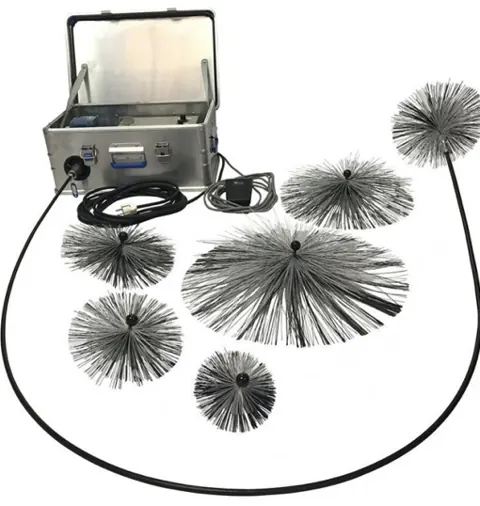 DC4 duct cleaning machineDC4: electric, up to 30 m, ducts from 100 to 600 mm
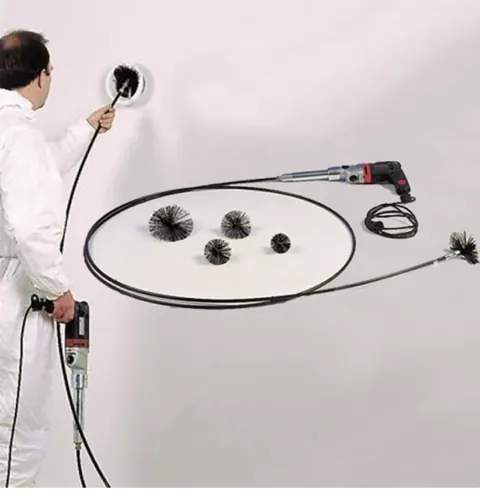 PD4 duct cleanerPD4: runs on a power drill, shaft 2.5 to 7.5 m
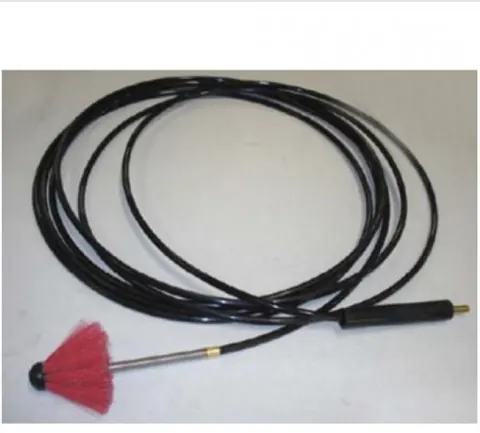 PD2 duct cleanerPD2: compact duct cleaner, specifications via Lamers
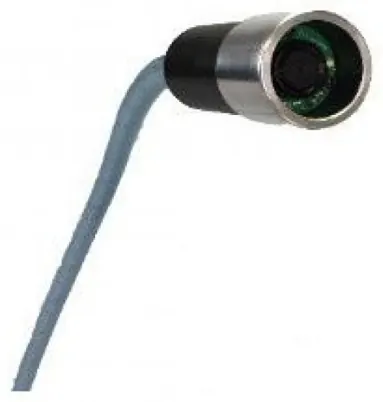 Intelligent AirnozzleCompressed air with camera, ducts from 30 mm
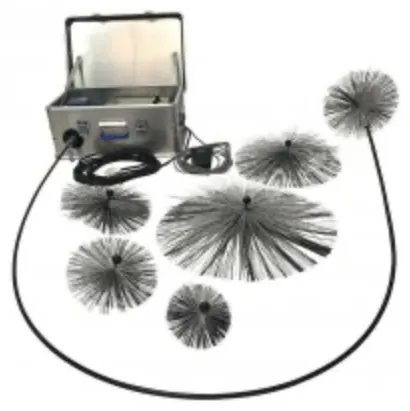 Duct cleaning brushesBrushes and shafts: soft, standard or Tynex
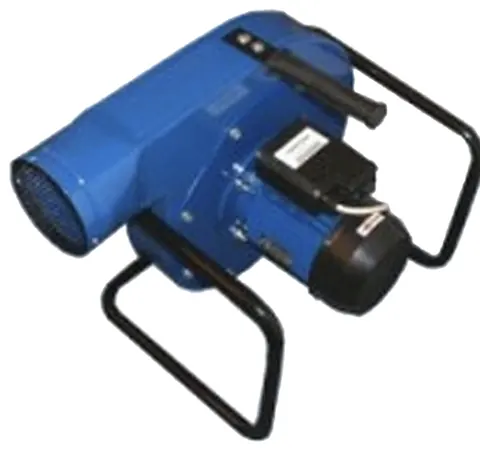 Duct sealing and extractionDuct balloons, diffuser caps and extraction
Frequently asked questions: mechanical ventilation cleaning
How often should the exhaust ducts of mechanical ventilation in a home be cleaned?
Milieu Centraal advises having the exhaust ducts of mechanical ventilation cleaned at least once every eight years. That is a minimum: if the unit is in a dusty or damp environment, or the last cleaning is unknown, schedule an inspection sooner. With visible mould, vermin or a lot of dust from the valves, earlier cleaning is sensible.
What does mechanical ventilation cleaning in a home cost on average?
Werkspot quotes an average of €150 to €250 for having ventilation ducts cleaned, with an hourly rate of €50 to €75. Homedeal quotes an average of €100 to €300 for cleaning mechanical ventilation in a home. The actual price depends on the number of valves, the length of the ducts and accessibility.
What does cleaning mechanical ventilation in small commercial premises cost?
In April 2026 a cleaning company gave an indication of €150 to €350 per unit for smaller commercial premises, plus €450 to €950 for a camera inspection. Larger buildings are usually priced after inspection; Hamster Cleaning, for example, uses no fixed price per m² but looks at duct length, contamination and accessibility.
Can you service the ventilation unit of mechanical ventilation yourself?
Milieu Centraal advises having the ventilation unit serviced once every two years and the whole system checked roughly every four years. According to Milieu Centraal, maintenance of the unit with its motor is not a job for the user. What you can do yourself: clean the grilles and remove the valves and clean them with soapy water.
Which machine suits cleaning narrow MEV ducts with many bends?
For narrow ducts with sharp bends, the Intelligent Airnozzle from Danduct Clean is suitable: it works from 30 mm, handles tight 90 degree bends and has a built-in camera with LED. You do need a compressor that delivers 700 litres per minute or more at around 10 bar.
How often should the valves of mechanical extraction be cleaned?
Milieu Centraal advises removing the valves and cleaning them with soapy water, and cleaning the grilles at least once a year. If there is already a greasy or dusty rim after a year, clean them more often. Record the setting of each valve beforehand, so the air distribution is correct after you refit them.
What is Ventilatiekeur and how does it help with MEV maintenance?
Ventilatiekeur is a Dutch quality mark for residential ventilation, managed by Binnenklimaattechniek. It covers mechanical extract and balanced ventilation: maintenance, operation and performance are checked and recorded. For a housing manager or owners' association it offers guidance when choosing a specialist company and when recording what has been done.
How can you tell that the ducts of an MEV system need cleaning?
The EPA names three clear signals: visible mould, vermin and excessive dust. A camera inspection is also useful if the last cleaning was long ago or is unknown. If you notice that valves draw little air while the unit runs normally, contamination in the duct may also be a cause.
Does the Dutch Working Conditions Decree matter for mechanical ventilation in an office?
Yes. Article 6.2 of the Working Conditions Decree (Arbobesluit) requires sufficient unpolluted air at the workplace, an installation that is always ready for operation and a system that signals faults where this is needed for health. Regular maintenance and cleaning of the mechanical extraction therefore belongs in the maintenance plan of the office.
Why is a camera inspection useful before mechanical ventilation cleaning?
With a camera you see how the duct runs, where the bends are and how heavy the contamination is. KHN (Royal Dutch Hospitality Association) points out that serious contamination is often not visible to the naked eye. Afterwards you use the same camera to record that the duct is clean, which is useful for the client or building manager.
Sources and reference date
All facts on this page were checked on 6 October 2026.
- Milieu Centraal: ventilation with mechanical extraction (in Dutch)
- Werkspot: cost of mechanical ventilation cleaning (in Dutch)
- Homedeal: mechanical ventilation cleaning and maintenance (in Dutch)
- Deep Clean Services: costs 2026 (in Dutch)
- RIVM: ventilation (in Dutch)
- EPA: air duct cleaning
- Binnenklimaattechniek: Ventilatiekeur (in Dutch)
Editorial team: Lamers Reinigingstechniek B.V., supplier of professional air duct cleaning equipment in Zelhem, the Netherlands. Updated on . See also the family business Lamers for cleaning contractors.
Request a quote or advice from Lamers

René Hendriksen, Sales Account Manager at Lamers, advises you on the machine, brushes and extraction for your jobs.
Briefly tell us what you clean (duct type, diameter, length, contamination and sector). Lamers will contact you with advice and a tailored quote.
Prefer direct contact? Call +31 (0)314 623 341, message us on WhatsApp 06-38048347 or email info@lamersequipment.nl.
Prefer a quick call first? Lamers will call you back

Leave your number. René Hendriksen or a colleague from Lamers will call you back to discuss duct type, diameter and the right equipment.
Or send us a message right away: WhatsApp 06-38048347