

Within its air duct cleaning category, Lamers Reinigingstechniek has separate groups for extraction and filtration and for sealing caps. On this page you will read how to seal a duct, how fine your extraction needs to filter, what a HEPA filter of 99.97% at 0.3 µm means and how to adapt the set up to each building.

Why duct sealing and extraction instead of cleaning alone?
A brush or compressed air nozzle loosens dirt. That is the point, but the dust has to go somewhere. Cleaning companies point out that negative pressure prevents dirt from spreading. An American cleaning specification from the University of Maryland, which refers to the NADCA vacuum test for the check afterwards, requires every section to be cleaned to be under continuous negative pressure from extraction units.
Dutch rules point in the same direction. Article 4.5 of the Working Conditions Decree (Arbobesluit), on working with hazardous substances, states that when contaminated air is removed, sufficient clean air must be supplied at the same time. And article 6.2 requires sufficient unpolluted air at the workplace. Anyone who cleans ducts in an occupied building without containment puts colleagues in the dust.
The American trade association NADCA also covers containment, negative pressure, cleaning methods and verification of cleanliness in its ACR 2025 standard. Sealing and extraction is therefore not an extra, but part of the trade.
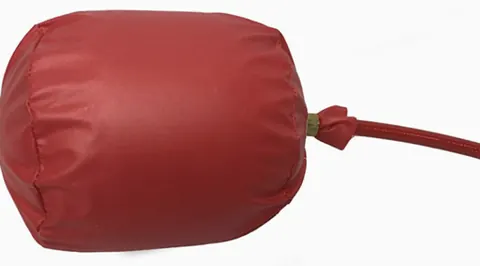
Which duct sealing balloons and vent caps do you need?
Danduct Clean, the manufacturer of the machines Lamers supplies, has several accessories for closing off ducts and openings.
| Accessory | What it does | When you use it |
|---|---|---|
| Duct sealing balloon | Seals off a duct section during cleaning or inspection | To separate a run from the rest of the system |
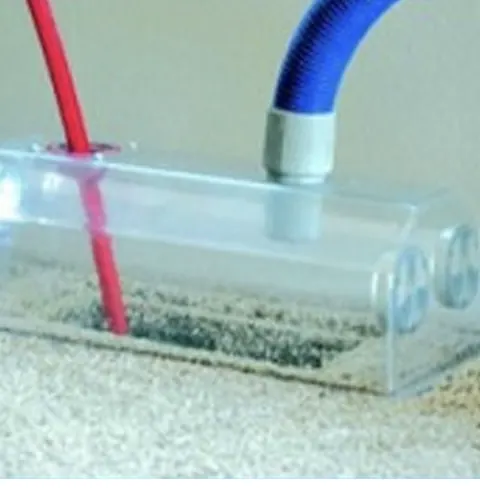
| Foam cap | Closes valves and diffusers | On every grille in the section you are cleaning |
| Resealable inspection hatch | Creates a permanent access point in the duct | Where you need to return regularly |
| Small access hatch | Small opening for hose or camera | For small ducts or a single entry point |
Source: Danduct Clean, accessories, checked on 6 October 2026. The sealing caps group at Lamers matches this. Which sizes and quantities you need depends on your duct diameters and the number of grilles per run.
A practical tip: keep an inventory sheet per client with the diameters and the number of grilles per run. Then you load exactly the right balloons and caps before each visit instead of finding out on site.
How fine should the extraction filter be: HEPA or not?
That depends on where the extracted air goes. The University of Maryland specification mentioned above requires a HEPA filter of 99.97% at 0.3 µm if the extraction unit exhausts inside the building. The US EPA puts it more briefly: exhaust the dust through a HEPA filter or to the outside.
| Situation | Filter requirement | Source |
|---|---|---|
| Extraction unit exhausts inside the building | HEPA 99.97% at 0.3 µm | University of Maryland specification |
| Extraction exhausts to the outside | HEPA or exhaust to the outside | US EPA |
| Cleaning flour dust in a bakery | industrial vacuum cleaner with HEPA | Alimento (Belgium) |
| Vacuum cleaner in the bakery sector | M class filter is sufficient | TNO memo |
| Bakery in an EX zone | ATEX 114 certified vacuum cleaner | TNO memo |
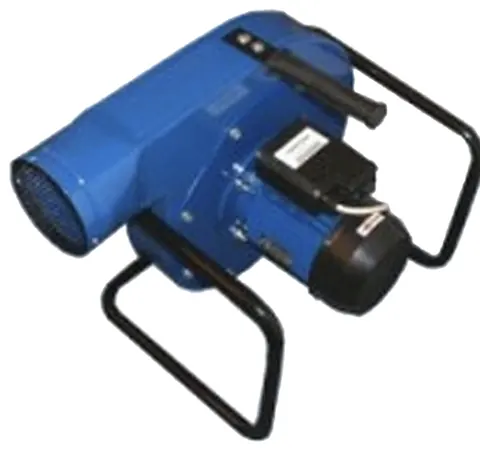
Note the difference between Alimento and TNO: one source names HEPA, the other considers an M class filter sufficient for bakeries. When in doubt, choose the stricter option and consult your prevention officer. Danduct Clean has VT extraction fans with hoses and filtration. Ask Lamers which unit fits your ducts.
How to set up negative pressure and sealing step by step
- Switch off the installation or take the run out of service, in consultation with the facilities team.
- Define the run. Choose a stretch of duct between two logical points, for example between two openings.
- Place the sealing balloon on the side where the clean part of the system begins.
- Cover all grilles in the run with foam caps, so the room is not involved.
- Connect the extraction unit to an opening at the other end and put the run under negative pressure.
- Check the negative pressure before you start: air must flow into the duct, not out of it.
- Clean with brush or compressed air towards the extraction.
- Let the extraction run on, only then remove the caps and balloon and move to the next run.
A Eurovent recommendation names inspection openings at a maximum of 10 metres apart or after no more than two bends of 45 degrees or more. That also gives you a practical length per run. The full approach from inspection to handover is in the guide to cleaning ductwork professionally.
Which cleaning machine do you combine with sealing and extraction?
Sealing and extraction works with every cleaning method, but the set up differs a little.
- With a brushing machine: the DC4 duct cleaning machine cleans up to 30 metres. Make sure your extraction is at the end of that reach, so the dirt moves that way.
- With compressed air: the air nozzle with built-in camera blows a lot of air into the duct. The extraction must handle that extra air, otherwise the negative pressure disappears.
- With a drill driven cleaner: for short ducts with the compact PD4 duct cleaner the runs are short, but there too you want a cap on the grille and extraction on the opening.
Choose the brush to suit the duct material, see choosing the right duct brush. All machines and accessories together are under duct cleaning equipment.
Sealing caps and extraction per building type: what to watch out for
Food industry. The Netherlands Food and Consumer Product Safety Authority (NVWA) asks to avoid airflows from contaminated to clean rooms. Position your extraction so that you never draw air from a dirty zone into a clean zone. More under ducts in food processing plants.
Bakeries. Flour dust is the big risk. TNO states that a dust explosion is possible above 60 g/m³ of fine dust such as flour, and that ATEX certified vacuum cleaners are needed in EX zones. So choose equipment that is suitable for that zone.
Care. A guideline for operating theatres asks for an air management plan with technical management, maintenance and periodic checks. Work on ducts should fit into that plan, including agreements on containment.
Offices and schools. Here work is often done while the building is in use. Good vent caps and a quiet, well filtering extraction unit make the difference between no complaints and an office full of dust.
How do you prove the duct is really clean after extraction?
Sealing and extraction makes sure the dirt goes, but you also want to show that it has gone. The University of Maryland specification names two methods: a surface comparison and the NADCA gravimetric vacuum test. You vacuum a fixed surface area and weigh the collected dust.
In Europe, EN 15780, revised in 2025, sets cleanliness classes and the assessment of the cleaning result. According to trade publications, dust limits of 0.6, 3.0 and 4.5 g/m² apply for the classes high, medium and low. Those figures come from secondary sources, not from the standard itself. More on standards and classes under EN 15780 and VDI 6022.
Danduct Clean also has inspection cameras and dust measuring equipment. For advice on the right combination of extraction, caps and measuring tools, the fastest route is to ask for duct cleaning advice.
Air duct cleaning equipment from Lamers at a glance
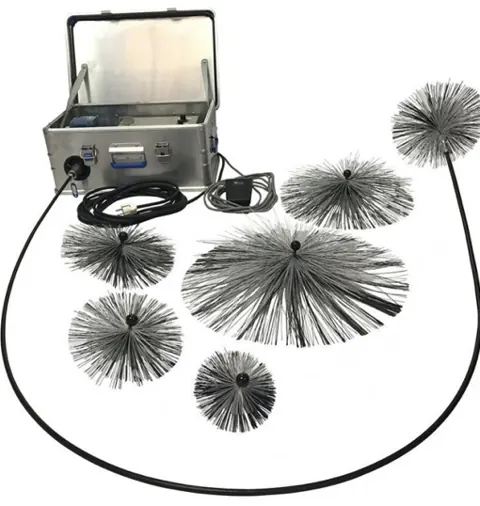 DC4 duct cleaning machineDC4: electric, up to 30 m, ducts from 100 to 600 mm
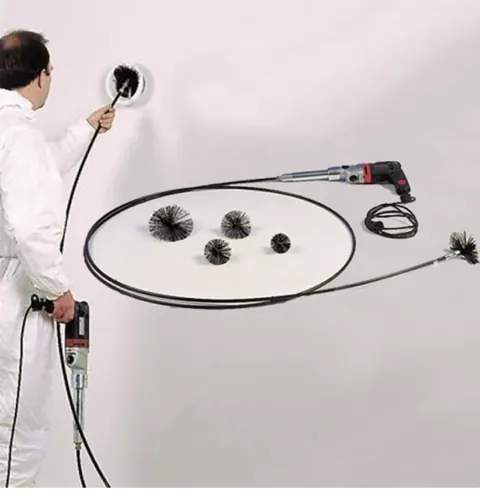 PD4 duct cleanerPD4: runs on a power drill, shaft 2.5 to 7.5 m
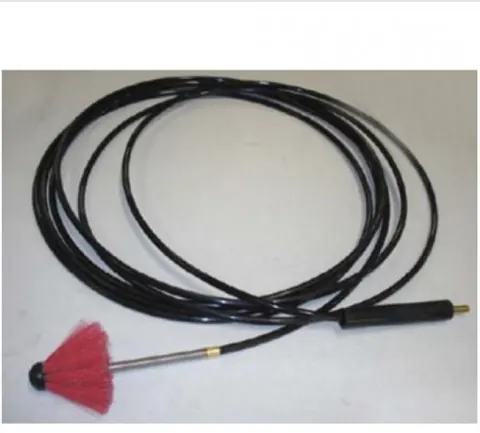 PD2 duct cleanerPD2: compact duct cleaner, specifications via Lamers
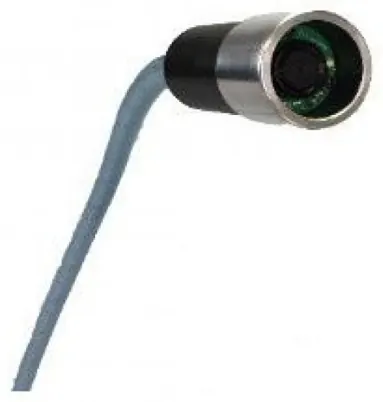 Intelligent AirnozzleCompressed air with camera, ducts from 30 mm
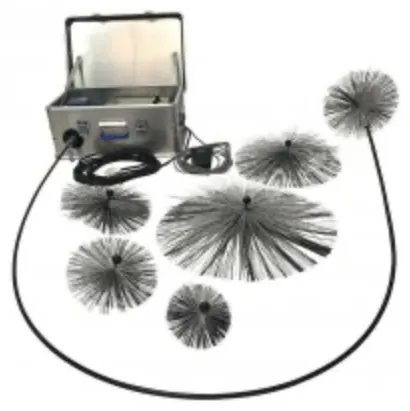 Duct cleaning brushesBrushes and shafts: soft, standard or Tynex
Frequently asked questions: duct sealing and extraction
Why do I need to seal an air duct during duct cleaning?
When you clean a duct, dust comes loose. Without sealing, it travels through the grilles into the room or further into the system. With a sealing balloon you separate the run from the rest, and with foam caps on the valves you keep the room free of dust during the whole job.
What is a duct sealing balloon and how do you use it?
A duct sealing balloon seals off part of the duct during cleaning or inspection, as Danduct Clean describes it. You place it on the side of the clean part of the system. Then you put the sealed run under negative pressure and clean towards the extraction, so loosened dirt only travels one way.
When do I need a HEPA filter of 99.97% at 0.3 µm for duct cleaning?
A cleaning specification from the University of Maryland requires such a HEPA filter if the extraction unit exhausts inside the building. If you exhaust the extracted air to the outside, the EPA names that as an alternative. Exhausting indoors without HEPA brings the fine dust straight back into the room where people work.
What do foam caps do when extracting from ventilation ducts?
Foam caps seal valves and diffusers. That way the extraction unit draws no air from the room but only through the duct, and no dust enters through the grilles. Place a cap on every grille in the run you are cleaning, and count the grilles beforehand so you bring enough caps.
How do I know whether the air duct is really under negative pressure?
Before you start, check that air flows into the duct at the openings and does not come out. If in doubt, the extraction is too weak or a seal is leaking. Adjust your set up before you start brushing or blowing, otherwise you will spread the dust through the building.
Can I use an ordinary vacuum cleaner for extraction in a bakery?
Sources for the bakery sector recommend an industrial vacuum cleaner. Alimento names a HEPA filter, while a TNO memo considers an M class filter sufficient. In EX zones, according to TNO, an ATEX 114 certified vacuum cleaner is necessary. A household vacuum cleaner is therefore not an option there.
Which extraction units does Danduct Clean offer for duct cleaning?
Danduct Clean has VT extraction fans with hoses and filtration. Within its air duct cleaning category, Lamers has a separate group for extraction and filtration. Ask Lamers which unit and which filter fit your ducts and cleaning method, and pass on your duct diameters and run lengths.
Does the extraction need to be stronger when I clean ducts with compressed air?
Yes, probably. A compressed air nozzle blows a lot of air into the duct, from 700 litres per minute with the Intelligent Airnozzle. Your extraction must remove that air plus the dust, otherwise the negative pressure disappears. Discuss the combination with Lamers beforehand.
Is duct sealing and extraction mandatory when cleaning air ducts in the Netherlands?
No Dutch rule names it literally. But article 6.2 of the Working Conditions Decree (Arbobesluit) requires sufficient unpolluted air at the workplace, and article 4.5 requires clean air to be supplied when contaminated air is removed in work with hazardous substances. Sealing and extraction is the practical way to comply.
How do I ask for advice on sealing caps and extraction for my ducts?
Send Lamers your duct diameters, the number of grilles per run, the cleaning method and the type of building. Lamers can then advise on balloons, caps and an extraction unit with the right filter. You can request a quote, ask a question, request a callback or send a WhatsApp message.
Sources and reference date
All facts on this page were checked on 6 October 2026.
- Danduct Clean: accessories
- Danduct Clean: product overview
- Lamers Reinigingstechniek: sitemap of product categories (in Dutch)
- University of Maryland Facilities: duct cleaning specification
- NADCA: ACR 2025
- US EPA: Should you have the air ducts in your home cleaned?
- Working Conditions Decree (Arbobesluit) article 4.5 (in Dutch)
- TNO Stofvrij werken: choosing vacuum cleaners in the bakery sector (in Dutch)
Editorial team: Lamers Reinigingstechniek B.V., supplier of professional air duct cleaning equipment in Zelhem, the Netherlands. Updated on . See also the family business Lamers.
Request a quote or advice from Lamers

René Hendriksen, Sales Account Manager at Lamers, advises you on the machine, brushes and extraction for your jobs.
Briefly tell us what you clean (duct type, diameter, length, contamination and sector). Lamers will contact you with advice and a tailored quote.
Prefer direct contact? Call +31 (0)314 623 341, message us on WhatsApp 06-38048347 or email info@lamersequipment.nl.
Prefer a quick call first? Lamers will call you back
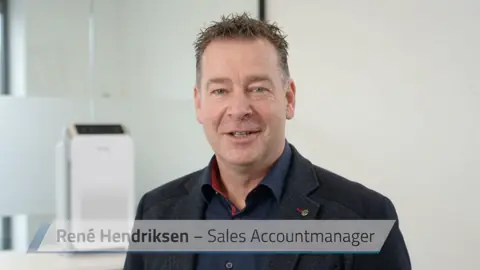
Leave your number. René Hendriksen or a colleague from Lamers will call you back to discuss duct type, diameter and the right equipment.
Or send us a message right away: WhatsApp 06-38048347