

For homeowners the line sits a lot lower. Milieu Centraal (Dutch public information centre) advises people to clean grilles and valves themselves, but to leave the ducts and the ventilation unit to a professional. On this page you will find out exactly where that line lies, what a facilities team with its own machines can do, which risks you run and how to make a fair comparison between doing it in house and bringing in a contractor.
Lamers Reinigingstechniek supplies the equipment, such as the brushing machines, the compressed air nozzle and the sealing and extraction accessories from Danduct Clean. The cleaning itself is done by your own team or by a cleaning contractor you hire.

When can a facilities team clean air ducts itself?
An in house facilities or maintenance team that already looks after building services often has the basics covered: knowledge of the building, access to drawings and the ability to plan work around how rooms are used. Whether doing the work yourself is realistic mainly depends on four practical questions.
| Question | Feasible in house | Better outsourced |
|---|---|---|
| Can the ducts be reached? | ✓ Access panels every 10 m or after no more than two bends of 45 degrees or more (Eurovent) | ✗ No panels, ducts above fixed ceilings |
| What kind of dirt is inside? | ✓ Dry dust in supply and general extract ducts | ✗ Grease from a commercial kitchen, which needs wet methods |
| Can you create negative pressure? | ✓ Extraction unit with HEPA or exhaust to outside | ✗ Only an ordinary vacuum cleaner available |
| Do you need to prove the result? | ✓ Internal records are enough | ✗ Insurer or quality mark asks for an independent report |
If you can tick the left column for all four questions, cleaning ventilation ducts yourself is a realistic option. Unsure about the method or the rules? Check the EN 15780 duct cleanliness first, so you know which result you have to achieve.
In house or outsourced: the differences side by side
The choice is rarely black and white. Many organisations clean the simple ducts themselves and leave the critical parts, such as kitchen extraction, to a specialist. The table helps you decide per component.
| Aspect | Own facilities team with equipment | Hiring a cleaning contractor |
|---|---|---|
| Planning | ✓ You choose the moment, including outside office hours | ✗ Dependent on someone else's diary |
| Knowledge and experience | ✗ Has to be built up and kept current | ✓ Available at a specialist |
| Cost per round | ✓ After purchase mainly your own hours | ✗ A new invoice every round |
| Report for the insurer | ✗ Difficult, especially for kitchen extraction | ✓ Report, photos and certificate, as KHN (Royal Dutch Hospitality Association) mentions |
| Objectivity of the check | ✗ Cleaner and inspector are the same person | ✓ Can be separated, as Eurofins advises |
| Several buildings or frequent cleaning | ✓ The machine pays for itself sooner | ✗ Costs rise with every building |
A hybrid also exists: you clean yourself and have an external party carry out spot checks. That way you stay in control while the assessment remains independent. More on the trade off for each type of building can be found under air duct cleaning by sector.
Which equipment do you need for DIY ventilation duct cleaning?
Without proper tools you only loosen the dust, but you do not get it out of the duct. A complete set has three parts: something that loosens the dirt, something that removes it and something that seals the duct. The overview of ventilation duct cleaning tools lists all options side by side.
| Machine | Drive | Duct diameter | Reach |
|---|---|---|---|
| DC4 (Danduct Clean) | Electric, 230 volts | 100 to 600 mm, round and square | Up to 30 m |
| PD4 (Danduct Clean) | Power drill, battery or mains | Brushes 100 to 600 mm | Shaft of 2.5 to 7.5 m |
| PD2 | Specifications from Lamers | Specifications from Lamers | Specifications from Lamers |
| Intelligent Airnozzle | Compressed air, 700 L/min or more at about 10 bar | From 30 mm | 20 m hose included |
For long main ducts in offices and schools the DC4 duct cleaning machine for cleaning contractors is the logical choice: the steel shaft keeps the brush centred and the machine automatically turns left and right. For shorter sections, drill driven duct cleaner is a lighter way in. For the Compact PD2 duct cleaning tool you request the specifications from Lamers, so you can compare them with your own duct sizes. Narrow ducts with tight bends are cleaned with air lance with camera, whose built in camera shows you what you are doing.
Do not forget the brush. Danduct supplies soft, standard and more aggressive Tynex brushes, and the EPA recommends soft brushes for fibreglass duct board and for sheet metal. Read up beforehand on duct brush.
What may homeowners do themselves to their ventilation ducts?
Many searches come from homeowners who want to know whether they can clean ventilation ducts themselves. Milieu Centraal is clear about this, and its advice is also useful for managers of residential buildings and for installers.
- Grilles: clean them yourself at least once a year.
- Valves: remove them and clean them with soapy water. For balanced ventilation, Milieu Centraal advises having the valves cleaned by a technician every two years.
- Filters of balanced ventilation: replace twice a year and vacuum them in between.
- Ventilation unit: service once every two years. According to Milieu Centraal you cannot service the unit with its motor yourself.
- Ducts: have them cleaned at least once every eight years. The manual of the Itho Daalderop HRU ECO 200, an MVHR unit, describes duct cleaning as a task for the installer.
In short: the homeowner does the outside, the professional does the inside. To learn more about maintaining residential systems, continue with ducts of mechanical ventilation and ducts of balanced ventilation. The equipment from Lamers is intended for professionals who do this work regularly.
Hiring tools to clean air ducts: how it works
A common question is whether you can hire tools to clean ventilation ducts. To be clear: hiring is not possible at Lamers. Lamers sells equipment to companies that clean on a structural basis themselves, such as facilities teams, installers and cleaning contractors.
Whether buying makes sense depends on how often you will use the machine. Ask yourself these questions:
- How many buildings or installations do you manage, and how often do the ducts need to be clean?
- Do you have people who want to learn the work and will do it regularly?
- Do the diameters and lengths of your ducts suit a machine?
- Do you want to offer the cleaning as a service to clients?
For that last case there is a separate page on installers who clean ductwork, and the trade off is worked out in detail under hire or buy a duct cleaner. If it is a one off job in a single building, outsourcing is often simpler.
Step by step plan for cleaning air ducts yourself
Good preparation determines the result. The detailed guide to cleaning ductwork professionally goes deeper into each stage; below is the core for a facilities team.
- Take stock: gather drawings and note diameters, lengths, bends and the location of access panels.
- Inspect: look inside the duct with a camera. KHN points out that serious contamination is often not visible to the naked eye.
- Seal off: cover valves and diffusers with foam caps and close off duct sections with duct balloons.
- Create negative pressure: keep the section being cleaned under negative pressure at all times. If the extraction unit exhausts indoors, a HEPA filter of 99.97 percent at 0.3 µm is required.
- Clean: work with the right brush or the compressed air nozzle from the extraction point towards the furthest point.
- Check: demonstrate cleanliness with a visual surface comparison or a gravimetric NADCA vacuum test.
- Record: note the date, route, method and before and after photos.
Steps 3 and 4 require dedicated accessories. Look at the options for vent caps for duct cleaning before you start.
Common mistakes when you clean air ducts yourself
Most problems with in house cleaning are not caused by the machine but by the approach. These mistakes come up again and again in technical literature and in advice from trade bodies.
- Cleaning without negative pressure. The dust comes loose and blows into the room. That is exactly what you want to avoid.
- Compressed air in a bakery. Alimento and TNO advise against compressed air for cleaning where flour dust is released; use an industrial vacuum cleaner, and in EX zones an ATEX certified model.
- A brush that is too hard. An aggressive brush can damage duct board. Start soft and step up if needed.
- Biocides on duct board. According to the EPA no biocides are registered for fibreglass duct board and coatings are not routinely needed.
- Dry cleaning of kitchen extraction. Eurovent states that wet methods are needed for extract ducts from commercial kitchens.
- No check afterwards. Without a check you do not know whether the duct is really clean.
In hospitality the bar is even higher. Read under cleaning a cooker hood duct why insurers require a specialist there.
Fictional example: outsourcing versus DIY air duct cleaning with your own machine
To make the choice concrete, here is a fictional worked example. A facilities team manages twelve smaller commercial buildings. According to a pricing article from April 2026, a cleaning contractor charged €150 to €350 per unit in smaller commercial buildings, plus €450 to €950 for a camera inspection.
| Item | Outsourced per round | Own equipment |
|---|---|---|
| Cleaning 12 units | €1,800 to €4,200 | Own hours |
| Camera inspection | €450 to €950 | Own camera or external spot check |
| Machine and accessories | Not applicable | Price on quotation |
The more often the round comes back, the sooner your own machine becomes attractive. How often that is can be read under air duct cleaning interval, and a broader picture of prices is given under air duct cleaning cost. Want to know which set suits your buildings? You can contact Lamers through the form, or ask for a callback.
A practical tip when you work out your own version of this example: count your own hours honestly, including preparation, sealing off and writing the report. Those hours are the real cost of doing it in house, and they become smaller as your team gains routine.
Air duct cleaning equipment from Lamers at a glance
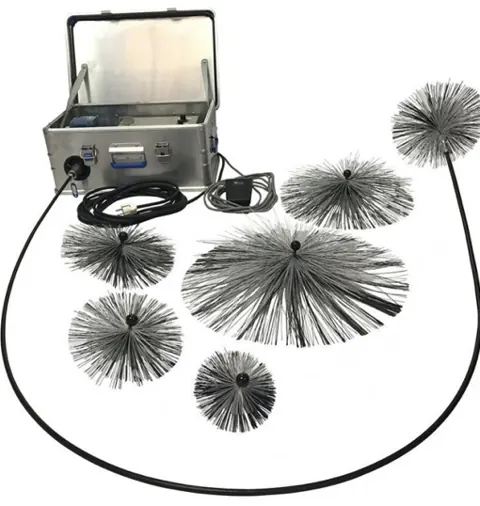 DC4 duct cleaning machineDC4: electric, up to 30 m, ducts from 100 to 600 mm
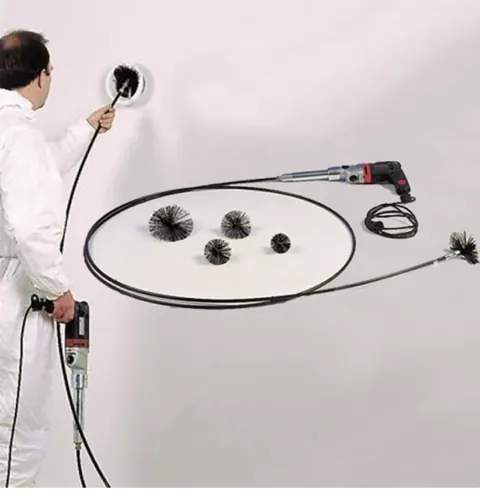 PD4 duct cleanerPD4: runs on a power drill, shaft 2.5 to 7.5 m
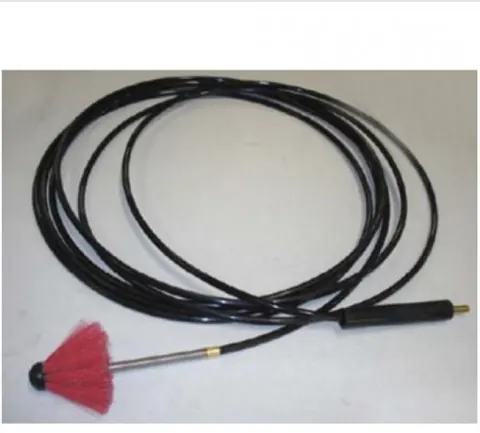 PD2 duct cleanerPD2: compact duct cleaner, specifications via Lamers
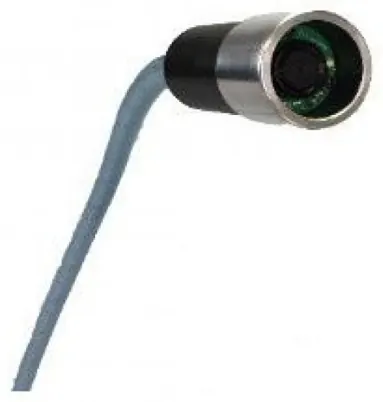 Intelligent AirnozzleCompressed air with camera, ducts from 30 mm
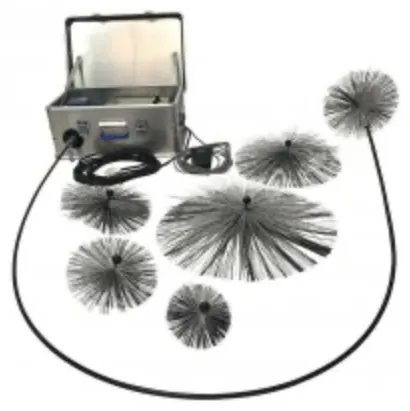 Duct cleaning brushesBrushes and shafts: soft, standard or Tynex
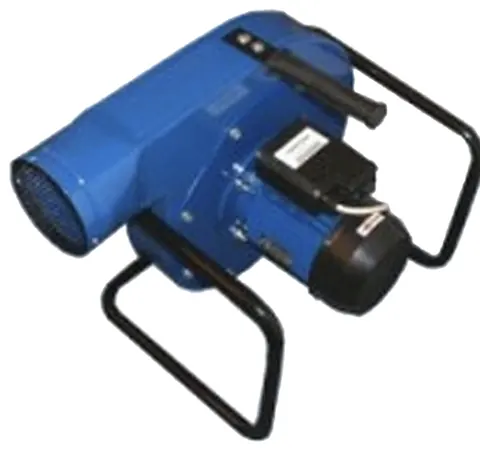 Duct sealing and extractionDuct balloons, diffuser caps and extraction
Frequently asked questions: DIY air duct cleaning
What knowledge does a facilities team need for DIY air duct cleaning?
You need to be able to read the duct system: where the air handling unit is, which ducts are supply and which are extract, and where the access panels are. You also need to know how to create negative pressure, which brush suits which duct material and how to check the result. The step by step plan and the standards page on this site are a good starting point for an internal work instruction.
As a homeowner, may I clean the ventilation ducts in my house myself?
Milieu Centraal advises homeowners to clean grilles themselves at least once a year and to remove valves and clean them with soapy water. The ducts themselves should be cleaned by a professional at least once every eight years, and according to Milieu Centraal you cannot service the ventilation unit with its motor yourself.
Can I hire tools from Lamers to clean ventilation ducts myself?
No, hiring is not possible at Lamers. Lamers sells professional equipment to companies that clean structurally themselves, such as facilities teams, installers and cleaning contractors. If you only do the job once, hiring a cleaning contractor is usually simpler. If you clean more often or in several buildings, request a quotation for a suitable set.
Which machine should I choose to clean short, small diameter ventilation ducts myself?
For short runs the PD4 from Danduct Clean is a light choice: it is driven by a power drill and the shaft is 2.5 to 7.5 metres long. Danduct describes it as very easy to handle and ideal for small ducts. If there are many tight bends or ducts from 30 mm, the Intelligent Airnozzle with camera is a better fit.
Is it wise to clean a restaurant kitchen extract duct yourself?
Usually not. Grease calls for wet cleaning methods, and KHN points out that a clean duct must be demonstrable with reporting, photos and a certificate. The prevention conditions of insurer Goudse mention annual inspection and, where necessary, cleaning by a specialist. You do clean or replace the grease filters weekly yourself; the duct is best left to a specialist firm.
Why must you create negative pressure when you clean air ducts yourself?
A brush or compressed air nozzle loosens the dust, but without extraction that dust spreads through the building. That is why you keep every section you clean under continuous negative pressure with an extraction unit. If that unit exhausts indoors, it needs a HEPA filter that captures 99.97 percent of particles at 0.3 µm.
How do you prove that air ducts cleaned in house are really clean?
Take photos or camera footage at fixed points before and after cleaning. For an objective check you can carry out a surface comparison or have a gravimetric NADCA vacuum test done. Eurofins advises separating cleaning from the hygiene inspection, so ideally the check is done by someone other than the person who did the cleaning.
When is outsourcing duct cleaning better than doing it in house?
Outsourcing is better when the ducts are hard to reach, when they contain grease or mould, when an insurer or quality mark asks for an independent report, or when you only clean occasionally. In care homes with strict hygiene requirements a specialist may be the better choice, while your own team continues with the routine checks.
Can you clean ventilation ducts yourself with an ordinary household vacuum cleaner?
That only removes loose dust near the opening. The EPA points out that much of the dust stays stuck to the duct wall, so you first have to loosen it with a brush or compressed air. A household vacuum cleaner also does not create negative pressure across the whole duct. For professional work you use an extraction unit with a HEPA filter.
What does the manual of an MVHR unit say about cleaning valves and ducts yourself?
The manual of the Itho Daalderop HRU ECO 200, an MVHR unit for balanced ventilation, lists cleaning the valves every year, while cleaning the ducts every eight years is a task for the installer. Milieu Centraal also advises cleaning the grilles at least once a year. Note the setting of each valve when you remove it, so the air distribution is right afterwards.
Sources and reference date
All facts on this page were checked on 6 October 2026.
- Milieu Centraal: ventilation with mechanical extract (in Dutch)
- Milieu Centraal: balanced ventilation (in Dutch)
- Eurovent REC 6/7: cleanliness of ductwork
- University of Maryland: duct cleaning specifications
- EPA: Should you have the air ducts in your home cleaned?
- KHN: is cleaning the extract duct mandatory? (in Dutch)
- Danduct Clean: DC4
- Deep Clean Services: cost of cleaning mechanical ventilation 2026 (in Dutch)
Editorial team: Lamers Reinigingstechniek B.V., supplier of professional air duct cleaning equipment in Zelhem, the Netherlands. Updated on . See also Lamers from Zelhem for cleaning contractors.
Request a quote or advice from Lamers

René Hendriksen, Sales Account Manager at Lamers, advises you on the machine, brushes and extraction for your jobs.
Briefly tell us what you clean (duct type, diameter, length, contamination and sector). Lamers will contact you with advice and a tailored quote.
Prefer direct contact? Call +31 (0)314 623 341, message us on WhatsApp 06-38048347 or email info@lamersequipment.nl.
Prefer a quick call first? Lamers will call you back

Leave your number. René Hendriksen or a colleague from Lamers will call you back to discuss duct type, diameter and the right equipment.
Or send us a message right away: WhatsApp 06-38048347