

In such buildings it is not just about dust. Air humidification brings a legionella risk, large kitchens produce grease, and you often work while residents or visitors are in the building. On this page you will read which frameworks apply, what a hygiene inspection involves and which equipment you use to work without spreading dust.
Lamers Reinigingstechniek is based in Zelhem and supplies Danduct Clean machines to facilities teams and cleaning contractors. Lamers has no branch in Limburg and does not carry out any cleaning itself.

Sittard-Geleen in figures: care, hospitality and leisure
Sittard-Geleen has 92,650 inhabitants in 46,136 households and ranks 38th among Dutch municipalities (CBS 2024). With 110 establishments per 1,000 inhabitants there are proportionally fewer business addresses than in most large municipalities, but many public and care buildings.
| CBS sector | Establishments | Share | Typical duct work |
|---|---|---|---|
| Business services | 2,335 | 22.9% | office ventilation |
| Trade and hospitality | 2,020 | 19.8% | kitchen extraction with grease |
| Government, education and care | 1,930 | 18.9% | air handling with stricter hygiene demands |
| Industry and energy | 1,425 | 14.0% | source extraction in workshops |
| Culture, recreation and other services | 1,270 | 12.5% | moisture from changing rooms and washrooms |
Percentages calculated on 10,195 establishments. The number of establishments says nothing about the size of a building: a single care location can contain more ductwork than dozens of small offices put together.
Ventilation duct cleaning Sittard-Geleen in care locations: which frameworks apply?
For the hygiene of air handling in buildings, the German guideline VDI 6022 is widely used, hospitals included. It asks for a hygiene inspection every 2 years where the installation humidifies the air and every 3 years where it does not.
According to TÜV Nord, an initial hygiene inspection belongs at three moments: with a new installation before commissioning, after a major change, and when the installation has never been inspected. That last case occurs more often in older care buildings than you might expect.
Points of attention per type of care building are covered under nursing home duct cleaning.
Air humidification and legionella: a separate risk
The RIVM guideline for legionellosis lists air humidifiers and central humidification as a possible source, although most infections are linked to water installations that create a spray or mist. Article 4.87b of the Working Conditions Decree (Arbobesluit) sets out measures against legionella for humidification installations. The employer draws up a risk analysis and records the measures in a management plan.
For humidifier water in hospital installations, a German guidance document gives these guide values:
| Parameter | Guide value |
|---|---|
| Legionella | fewer than 100 CFU per 100 ml |
| Total colony count | fewer than 1,000 CFU per ml |
| Pseudomonas | fewer than 100 CFU per 100 ml |
Duct cleaning does not solve a legionella problem, but it does belong in the same management plan. A dirty humidification section and dirty ducts behind it reinforce each other.
What a hygiene inspection does beyond looking
A hygiene inspection has two parts: a visual judgement of how clean the system is, and a microbiological judgement of both the supply air and the reference air. Duct cleanliness is assessed by measuring dust density. The inspectors hold VDI 6022 category A training.
One laboratory advises keeping cleaning and inspection apart for the sake of objectivity. For a care organisation in Sittard-Geleen with its own facilities team, that is a logical split: the team cleans with its own equipment, an external inspector assesses the result. That keeps the check independent.
Practical tip: agree in advance with the inspector which sections will be measured, so the facilities team knows exactly which ducts need to be finished and accessible on the day of the inspection.
Large kitchens in care and hospitality: measuring grease under the quality mark scheme
With 2,020 establishments in trade and hospitality and many care locations with their own kitchen, kitchen extraction is a recurring topic in Sittard-Geleen. The NVRL and TNO quality mark scheme is explicitly intended for kitchen extraction in hospitals and care homes too, alongside restaurants and offices.
The scheme works with an intervention value of 500 µm of grease and a performance value after cleaning of at most 200 µm. The quality mark is valid for 1 year if the limit values are met. How to get grease out of the duct is explained under commercial kitchen ventilation cleaning for cleaning contractors.
Duct cleaning Sittard-Geleen while the building stays in use
You can rarely empty a care building. So work zone by zone and keep the section you are cleaning under continuous negative pressure. If the extraction unit discharges indoors, it needs a HEPA filter with 99.97% at 0.3 µm.
| Task | Tool | Why |
|---|---|---|
| Sealing off a duct section | duct balloon | ✓ dust stays in the section you are cleaning |
| Sealing valves in rooms | foam cap | ✓ no dust in a resident's room |
| Small ducts with bends | compressed air with camera | ✓ from 30 mm, you see what is happening |
| Long risers | brushing machine with shaft | ✓ also vertical and through bends |
The Intelligent Airnozzle for businesses is handy for room ducts: the camera with LED lighting shows which spots are still dirty. The sealing tools are found under negative pressure HEPA extraction for businesses, and an overview of all machines under duct cleaning equipment explained.
A workable day plan for an occupied care building
- Agree with the care team which rooms and corridors are free at which time.
- Fit foam caps on the valves of the rooms in that zone before you start.
- Seal the duct section and start the extraction before any brush or nozzle goes in.
- Clean, check the camera image and remove the caps only when the extraction has run on.
- Record per zone what was cleaned, so the next zone starts from a clear status.
Ventilation duct cleaning in Sittard-Geleen, Heerlen and Maastricht
The neighbouring municipalities have a similar profile. For air duct cleaning in Heerlen, 19.4% of establishments fall under government, education and care; for ductwork cleaning for Maastricht businesses it is 19.2% (CBS 2024). A kit set up for care buildings and kitchens can be used throughout the region.
All municipalities with their own angle are listed under duct cleaning by municipality for businesses. Ask Lamers for advice on machines and sealing tools for care environments, request a quote or request a callback.
Air duct cleaning equipment from Lamers at a glance
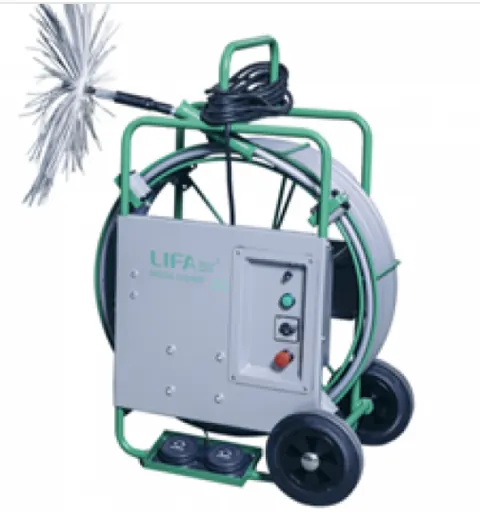
 DC4 duct cleaning machineDC4: electric, up to 30 m, ducts from 100 to 600 mm
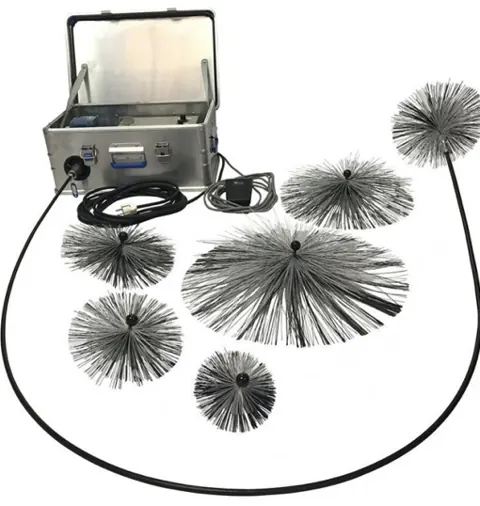
 PD4 duct cleanerPD4: runs on a power drill, shaft 2.5 to 7.5 m
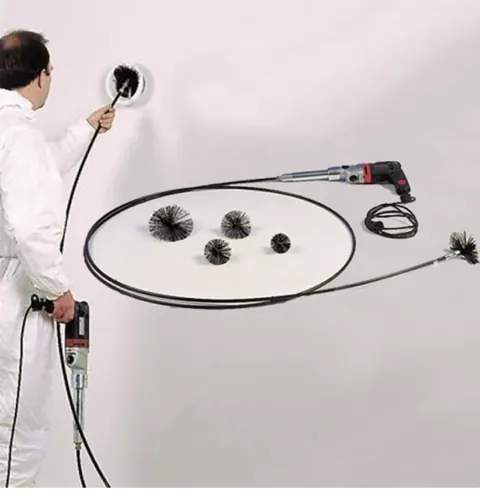
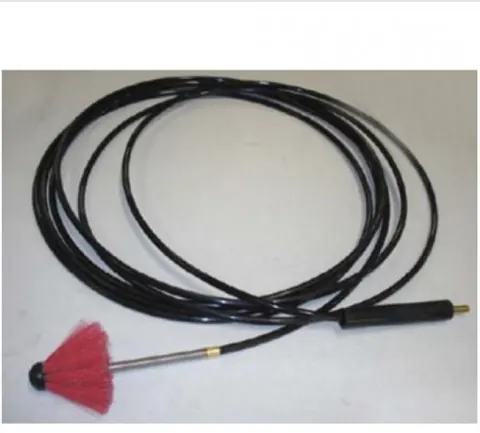 PD2 duct cleanerPD2: compact duct cleaner, specifications via Lamers
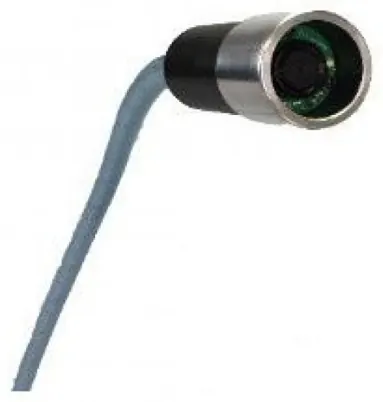 Intelligent AirnozzleCompressed air with camera, ducts from 30 mm
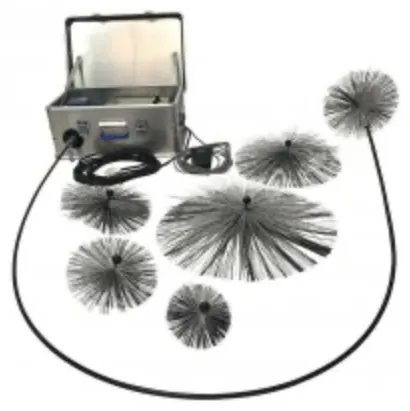 Duct cleaning brushesBrushes and shafts: soft, standard or Tynex
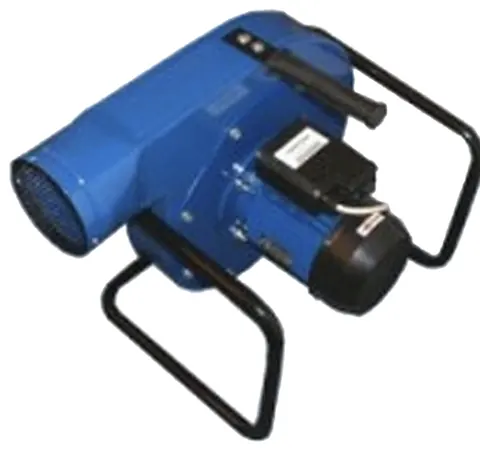 Duct sealing and extractionDuct balloons, diffuser caps and extraction
Frequently asked questions: air duct cleaning Sittard-Geleen
How often should the air handling of a Sittard-Geleen care location be inspected?
According to VDI 6022, every 2 years for installations with air humidification and every 3 years without. An initial hygiene inspection belongs before a new installation is put into use, after a major change and when it has never been inspected. Record the outcomes, so you can compare them in the next round.
What share of businesses in Sittard-Geleen is in care, education and government?
According to CBS 2024, 1,930 of the 10,195 establishments in Sittard-Geleen fall under government, education and care, or 18.9%. Together with trade and hospitality and with culture and recreation, this accounts for more than half of all establishments. That makes hygiene requirements an important theme in duct maintenance.
Does a care institution in Sittard-Geleen need to act on legionella in its humidification?
Yes. Article 4.87b of the Working Conditions Decree (Arbobesluit) regulates measures against legionella in air humidification installations. The employer carries out a risk analysis and records the measures in a management plan. Duct cleaning does not solve legionella, but it belongs in the same plan, because contamination and humidification reinforce each other.
What does a hygiene inspection of a ventilation system in Sittard-Geleen involve?
A visual judgement of cleanliness and a microbiological judgement of the supply air and the reference air. Duct cleanliness is assessed with a dust density measurement. Inspectors hold VDI 6022 category A training. Preferably have the inspection carried out by a party other than the one that did the cleaning.
Does the NVRL quality mark scheme also apply to a care home kitchen in Sittard-Geleen?
Yes. The NVRL and TNO quality mark scheme focuses on grease contamination in kitchen extraction in hospitality, hospitals, care homes and offices. The intervention value is 500 µm of grease, and after cleaning at most 200 µm may remain. The quality mark is valid for 1 year if the limit values are met.
How do you keep dust out of residents' rooms during duct cleaning in Sittard-Geleen?
Work zone by zone, seal the duct section with a duct balloon and cover the valves in the rooms with foam caps. Keep the section under continuous negative pressure with an extraction unit. If it discharges indoors, use a HEPA filter with 99.97% at 0.3 µm.
Which equipment suits the small room ducts of a Sittard-Geleen care building?
For small ducts with bends, the Intelligent Airnozzle is suitable: compressed air with a camera and LED lighting, for ducts from 30 mm. You need a compressor of 700 litres per minute or more at around 10 bar. For long risers, use a brushing machine such as the DC4.
Which guide values apply to humidifier water in a Sittard-Geleen hospital?
A German guidance document for hospital installations mentions fewer than 100 CFU of legionella per 100 ml, a total colony count below 1,000 CFU per ml and fewer than 100 CFU of Pseudomonas per 100 ml. These are guide values from German practice, not Dutch legal limits. Compare them with your own management plan.
Can the facilities team of a Sittard-Geleen care organisation clean ducts itself?
Yes, with the right equipment and sealing tools. One laboratory does advise separating cleaning from the hygiene inspection, for objectivity. The facilities team then cleans and an external inspector assesses the result. That way you combine the speed of doing it in house with an independent check.
Does Lamers have a branch in Sittard-Geleen?
No. Lamers Reinigingstechniek B.V. is based at Ambachtsweg 2 in Zelhem and from there supplies professional cleaning equipment throughout the Netherlands and internationally. Lamers does not carry out cleaning itself. Facilities teams and cleaning contractors from Sittard-Geleen can request a quote or ask a question.
Sources and reference date
All facts on this page were checked on 6 October 2026.
- CBS Key figures for districts and neighbourhoods 2024, table 85984NED (in Dutch)
- Implementing VDI 6022 in hospitals (in German)
- TÜV Nord: air handling installations VDI 6022 (in German)
- Working Conditions Decree (Arbobesluit) art. 4.87b legionella (in Dutch)
- Government of the Netherlands: preventing legionella as an employer (in Dutch)
- Normec: hygiene inspection of ventilation
- Quality mark scheme for cleanliness of air handling systems, NVRL/TNO (in Dutch)
- Lamers: Intelligent Airnozzle (in Dutch)
Editorial team: Lamers Reinigingstechniek B.V., supplier of professional air duct cleaning equipment in Zelhem, the Netherlands. Updated on . See also Lamers cleaning equipment in practice.
Request a quote or advice from Lamers

René Hendriksen, Sales Account Manager at Lamers, advises you on the machine, brushes and extraction for your jobs.
Briefly tell us what you clean (duct type, diameter, length, contamination and sector). Lamers will contact you with advice and a tailored quote.
Prefer direct contact? Call +31 (0)314 623 341, message us on WhatsApp 06-38048347 or email info@lamersequipment.nl.
Prefer a quick call first? Lamers will call you back
Leave your number. René Hendriksen or a colleague from Lamers will call you back to discuss duct type, diameter and the right equipment.
Or send us a message right away: WhatsApp 06-38048347